
Battery
Is a Home Battery Worth It in Victoria This Year?
Falling battery prices, shrinking feed-in tariffs, rising evening rates — the maths on home storage has changed. Here is how to run it for your own bill.
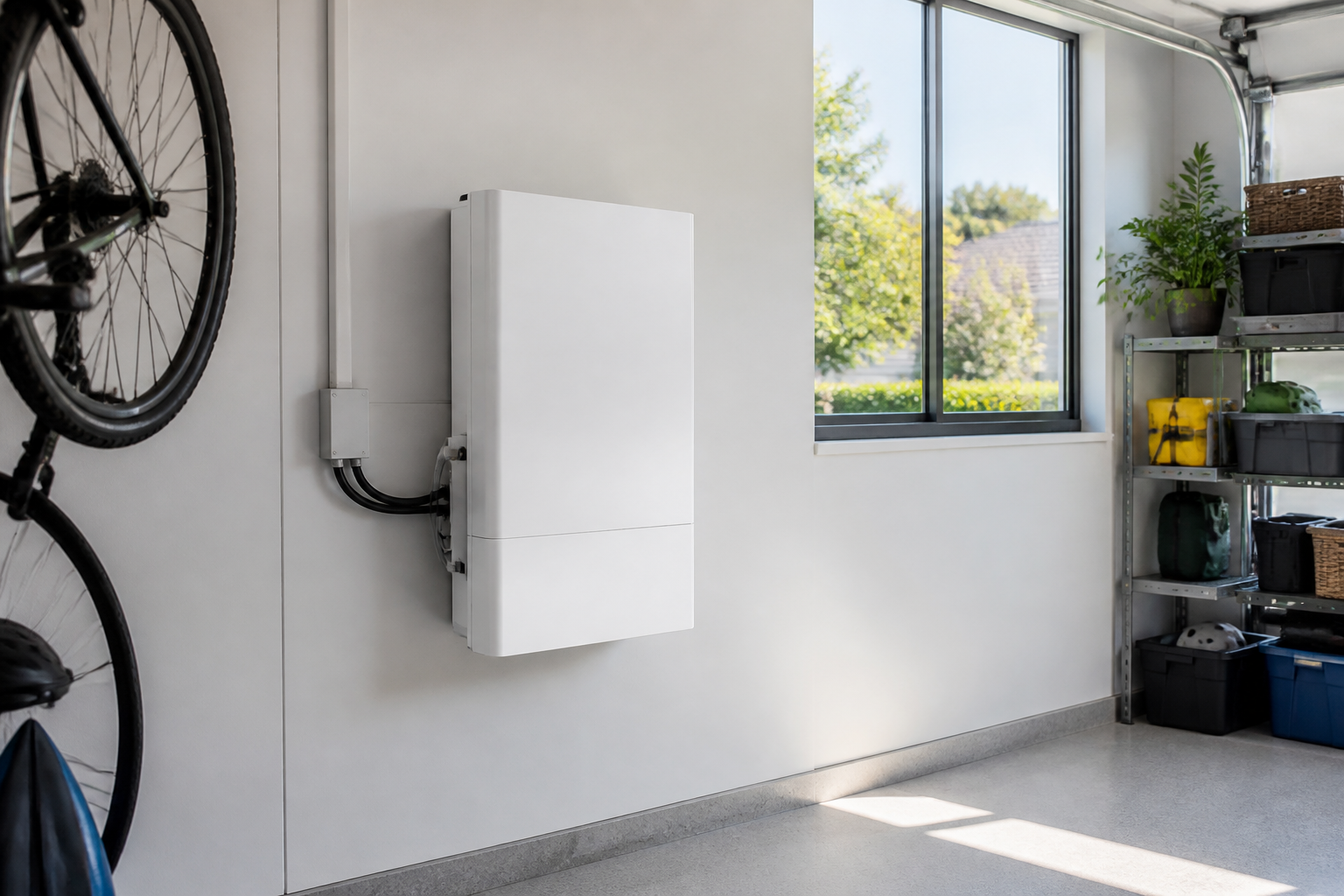
Five years ago the honest answer for most households was "not yet". Batteries were expensive, feed-in tariffs were generous, and the payback maths rarely worked. That picture has changed on all three fronts, and for many Victorian homes storage now deserves a serious look.
The three numbers that changed
First, hardware prices have fallen steadily as manufacturing scaled — usable 10 kWh systems now cost a fraction of their 2020 price. Second, feed-in tariffs have collapsed: exporting solar at a few cents per kilowatt-hour makes storage of that same energy far more attractive. Third, evening peak rates have climbed, so the electricity you avoid buying between 5pm and 9pm is exactly the most expensive power on your bill.
How the maths actually works
The value of a battery equals the gap between what you would have earned exporting and what you avoid paying at peak, multiplied by how many kilowatt-hours you can cycle daily. A household exporting 12 kWh a day and buying it back in the evening at 30 cents captures roughly the difference — call it 25 cents per kWh — across every stored unit. Over a year that adds up quickly; over a warranted ten-year life it can comfortably exceed the purchase price, especially with rebate support reducing the upfront cost.
Who benefits most
The strongest cases share a pattern: solid daytime solar generation, high evening consumption, and time-of-use tariffs. Families who get home at 6pm and run cooking, cooling and screens through the peak window are ideal. Homes on flat tariffs with modest evening usage see a slower return — still positive in many cases, but worth modelling honestly rather than assuming.
Backup power is a real bonus
Beyond the spreadsheet, most modern batteries can keep essential circuits alive during an outage — fridge, lights, internet, a medical device if needed. For semi-rural properties around Melton and the western growth corridor where storms occasionally take the grid down, that resilience has genuine value that never shows up in payback calculations.
Rebates and the fine print
Victorian homeowners may have access to battery incentive programs, and eligibility rules change over time — product lists, income thresholds and property criteria all apply. We stay current on the schemes and handle the paperwork as part of every quote, so you see the net price, not the sticker price.
Our advice: bring us a recent bill. Fifteen minutes with your actual usage data tells you more than any generic calculator, and if the numbers don't stack up for your household yet, we'll say so.